Alendronate Dental Side Effects Jaw Risks Avoid

- 1.
“Wait—Did My Pill Just Bite Back?”: Unpacking the Oral Fallout of Alendronate
- 2.
From Bones to Gums: How Alendronate Sneaks Into Your Smile
- 3.
“My Jaw Feels... Off”: Spotting Early Signs of ONJ
- 4.
Not All Side Effects Are Created Equal: Ranking the Risks
- 5.
Dentist on Speed Dial: Why Oral Health Is Your New Bestie on Alendronate
- 6.
The Great Alendronate Debate: Why Docs Are Side-Eyeing This Med
- 7.
High-Risk Crew: Who Should Watch Their Mouth Extra Close?
- 8.
When Dental Work and Alendronate Collide: A Delicate Dance
- 9.
Myth-Busting: “Alendronate Rots Your Teeth” and Other Tall Tales
- 10.
Your Game Plan: Living Smart While on Alendronate
Table of Contents
alendronate dental side effects
“Wait—Did My Pill Just Bite Back?”: Unpacking the Oral Fallout of Alendronate
Ever pop a pill thinking it’s just doin’ its thing down in your bones, only to wake up with gum drama that feels straight outta a dental horror flick? Yeah, we’ve been there too. Alendronate—sold under brand names like Fosamax—is a go-to for folks tackling osteoporosis, but lemme tell ya, alendronate dental side effects don’t exactly come with flashing neon warning signs. While it’s busy beefin’ up your skeleton, this bisphosphonate might be throwin’ your jawbone under the bus. And not the cute, metaphorical kind—like, actual bone death. Yikes. Medically, it’s called osteonecrosis of the jaw (ONJ), and it’s as gnarly as it sounds. Sure, it’s rare—but “rare” don’t mean “never,” especially if you’re rollin’ with dental work or poor oral hygiene on the side.
From Bones to Gums: How Alendronate Sneaks Into Your Smile
Here’s the science simplified: alendronate dental side effects stem from how the drug chills with your bone cells. Alendronate slows down osteoclasts—the crew that breaks down old bone—so your skeleton stays dense. Sounds great, right? But in the jaw, where bone turnover’s extra active (thanks, chewing and talking!), this slowdown can backfire. When blood flow gets messed with or micro-injuries pile up (think wisdom tooth extraction or even aggressive flossing), the jawbone might not heal like it used to. Boom—you’re staring down the barrel of alendronate dental side effects that nobody warned you about at the pharmacy counter.
“My Jaw Feels... Off”: Spotting Early Signs of ONJ
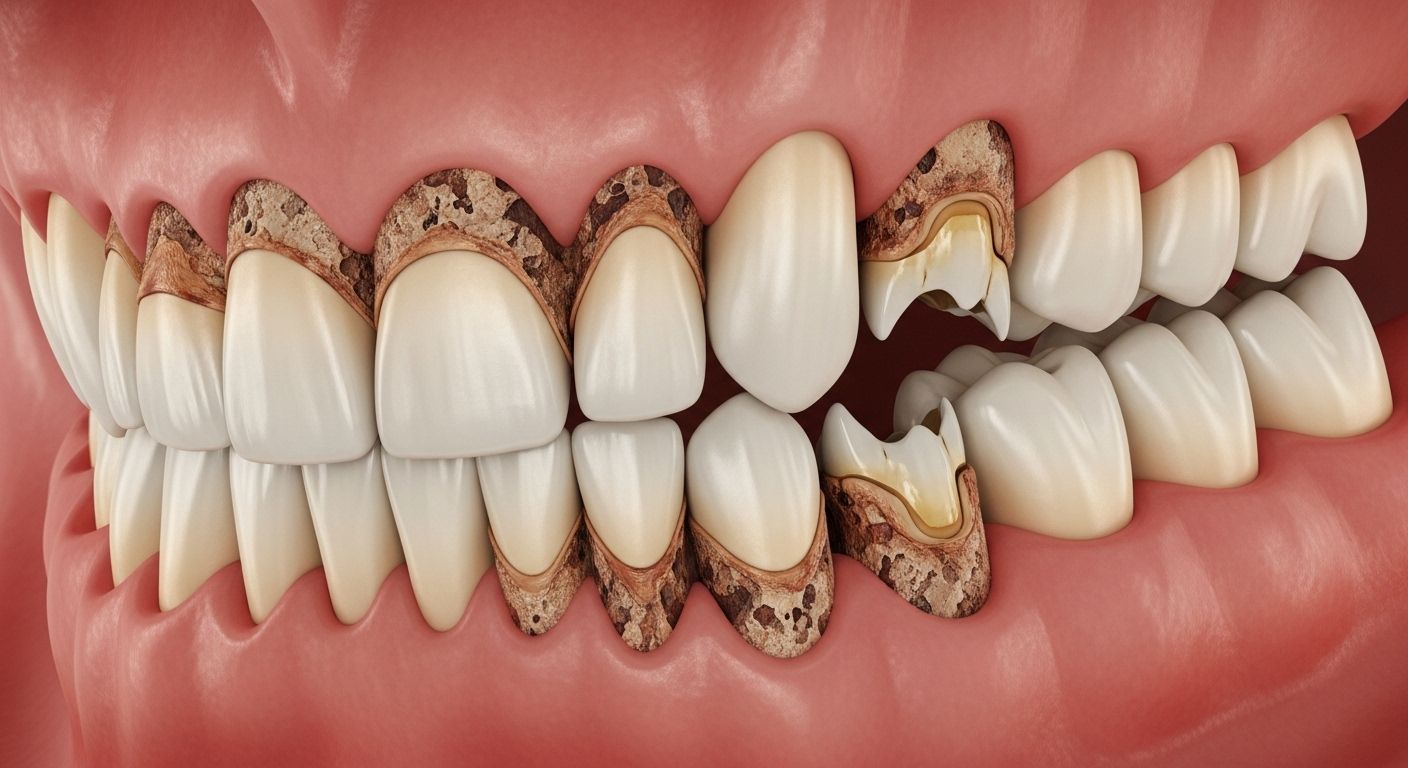
You might not notice alendronate dental side effects right away—ONJ loves to creep in quiet-like. Early red flags? Think: persistent jaw pain that won’t quit, even after swishin’ with mouthwash like your life depends on it. Or maybe your gums are puffin’ up for no good reason, or you spot exposed bone peekin’ through like some creepy Halloween prop. Some folks report loose teeth, numbness in the chin, or even that funky metallic taste stickin’ around like an unwanted guest. If you’re on alendronate and your mouth’s actin’ strange, don’t just shrug it off as “bad luck.” Your jaw’s sendin’ an SOS about alendronate dental side effects—and it’s time to listen.
Not All Side Effects Are Created Equal: Ranking the Risks
Alright, real talk: the most common side effect of alendronate ain’t even dental—it’s stomach stuff. Heartburn, nausea, abdominal pain… your gut might throw a tantrum before your gums do. But when it comes to alendronate dental side effects, we’re talkin’ low incidence but high stakes. Studies peg ONJ risk in oral bisphosphonate users at roughly 0.01% to 0.04%—yep, under half a percent. Sounds chill? Maybe. But if you’re that 1 in 10,000, those numbers don’t comfort you much. And the risk shoots up if you’ve had dental surgery, wear dentures that rub raw, or skip dentist visits like they’re optional yoga class.
Dentist on Speed Dial: Why Oral Health Is Your New Bestie on Alendronate
If you’re poppin’ alendronate, your dentist ain’t just that person who makes you gag on a mirror—they’re your frontline defense against alendronate dental side effects. Seriously, book that cleaning, disclose your med list, and for Pete’s sake, don’t schedule extractions without sayin’ “Hey doc, I’m on Fosamax.” Preventive care is everything here. Think of it like armor for your jaw—brush twice, floss gentle, and maybe ditch the charcoal toothpaste trend until your bone meds are history. Your future smile will thank you.
The Great Alendronate Debate: Why Docs Are Side-Eyeing This Med
Here’s where things get spicy: the controversy with alendronate ain’t just about jaws—it’s about long-term use. Some docs worry that after 3–5 years, benefits plateau while risks (including alendronate dental side effects and atypical femur fractures) creep up. Plus, once it’s in your bones, alendronate sticks around for years—like that one ex who never really leaves your group chat. The FDA’s issued black box warnings, lawsuits have popped up, and many providers now push for “drug holidays” after a few years. So yeah, it’s effective—but “set it and forget it” it ain’t.
High-Risk Crew: Who Should Watch Their Mouth Extra Close?
Not everyone on alendronate’s sittin’ on the same risk couch. Folks on IV bisphosphonates (like cancer patients) face way higher ONJ odds—but oral users ain’t off the hook. If you’ve got a history of gum disease, diabetes, steroid use, or you smoke like it’s your job, your jaw’s already playin’ defense on a tired team. Add alendronate to the mix? Now you’re askin’ for trouble. Better double down on oral hygiene and keep those dentist appointments locked in like your Netflix password.
When Dental Work and Alendronate Collide: A Delicate Dance
You need a tooth pulled. Your doc says “go for it.” But wait—if you’re on alendronate, that “simple extraction” might not be so simple. The combo of surgical trauma + impaired bone healing = prime real estate for alendronate dental side effects like ONJ. Some dentists recommend pausing alendronate before major work (though evidence’s mixed), while others just prep like it’s DEFCON 1: antibiotics, meticulous technique, and follow-ups tighter than your jeans after Thanksgiving. Either way, full transparency with your care team is non-negotiable.
Myth-Busting: “Alendronate Rots Your Teeth” and Other Tall Tales
Let’s clear the air: alendronate dental side effects don’t mean your teeth are decayin’ like forgotten Halloween candy. ONJ is about the *bone* beneath, not enamel erosion. But that myth sticks around ‘cause symptoms—pain, swelling, loose teeth—look like classic dental disaster. Nope. It’s a vascular and cellular issue, not sugar’s revenge. So keep flossin’, keep smilin’, but understand the real villain here isn’t plaque—it’s poor blood flow meetin’ suppressed bone turnover thanks to alendronate.
Your Game Plan: Living Smart While on Alendronate
So you’re on alendronate. Don’t panic—but do plan. First, get a full dental checkup *before* starting (seriously, do it). Second, maintain stellar oral hygiene like your jaw depends on it—‘cause it kinda does. Third, avoid invasive dental procedures if possible, and if not, team up with your dentist and doc like Avengers on a mission. And hey, if you’re curious how other meds play with your body, swing by Dr Jay Stone for the lowdown. Dive deeper into health quirks at the Health hub, or peek at another cautionary tale like After Cystoscopy Problems Complications Watch Out—because knowledge is the real prescription.
Frequently Asked Questions
Can alendronate cause teeth problems?
While alendronate doesn’t directly cause tooth decay, it can lead to serious alendronate dental side effects like osteonecrosis of the jaw (ONJ), especially after dental surgery or in those with poor oral health. ONJ affects the jawbone—not the teeth themselves—but can result in tooth mobility, pain, and gum issues.
What is the most common side effect of alendronate?
The most common side effect of alendronate is gastrointestinal—think heartburn, stomach pain, or nausea. Dental side effects like ONJ are rare but serious, and fall under less frequent yet high-impact alendronate dental side effects that require vigilance.
What are the first signs of osteonecrosis of the jaw?
Early signs of ONJ include persistent jaw pain, swelling, exposed bone in the mouth, loose teeth, numbness in the lower lip or chin, and slow-healing sores. If you’re on alendronate and notice these, they could be the first whispers of alendronate dental side effects needing immediate attention.
What is the controversy with alendronate?
The controversy with alendronate centers on long-term safety. While it prevents fractures short-term, extended use (beyond 3–5 years) may increase risks of atypical femur fractures and alendronate dental side effects like ONJ, prompting debates over “drug holidays” and better risk stratification.
References
- https://www.fda.gov/drugs/postmarket-drug-safety-information-patients-and-providers/fosamax
- https://www.ncbi.nlm.nih.gov/pmc/articles/PMC5579654/
- https://www.ada.org/resources/practice/practice-management/oral-health-topics/osteonecrosis-of-the-jaw
- https://www.endocrine.org/patient-engagement/endocrine-library/osteoporosis-medications-and-oral-health