Diarrhea And Burping Sulfur Gas Combo
- 1.
What Causes Excessive Gas Burping and Diarrhea: The Uncomfortable Truth
- 2.
What Sickness Has Eggy Burps and Diarrhea: Following the Sulfur Trail
- 3.
What to Eat When You Have Diarrhea and Burping: The BRAT Diet Salvation
- 4.
What Does It Mean If My Stomach Hurts, I'm Gassy and I Have Diarrhea: Connecting the Dots
- 5.
The Science Behind the Symphony: Why Your Body Does This
- 6.
Common Triggers You Might Not Expect: The Usual Suspects
- 7.
When to Worry: Red Flags vs. Normal Discomfort
- 8.
Home Remedies That Actually Work: Grandma Was Right Sometimes
- 9.
Prevention Strategies: How to Avoid This Mess Next Time
- 10.
Navigating Recovery and When to Seek Professional Help
Table of Contents
diarrhea and burping
What Causes Excessive Gas Burping and Diarrhea: The Uncomfortable Truth
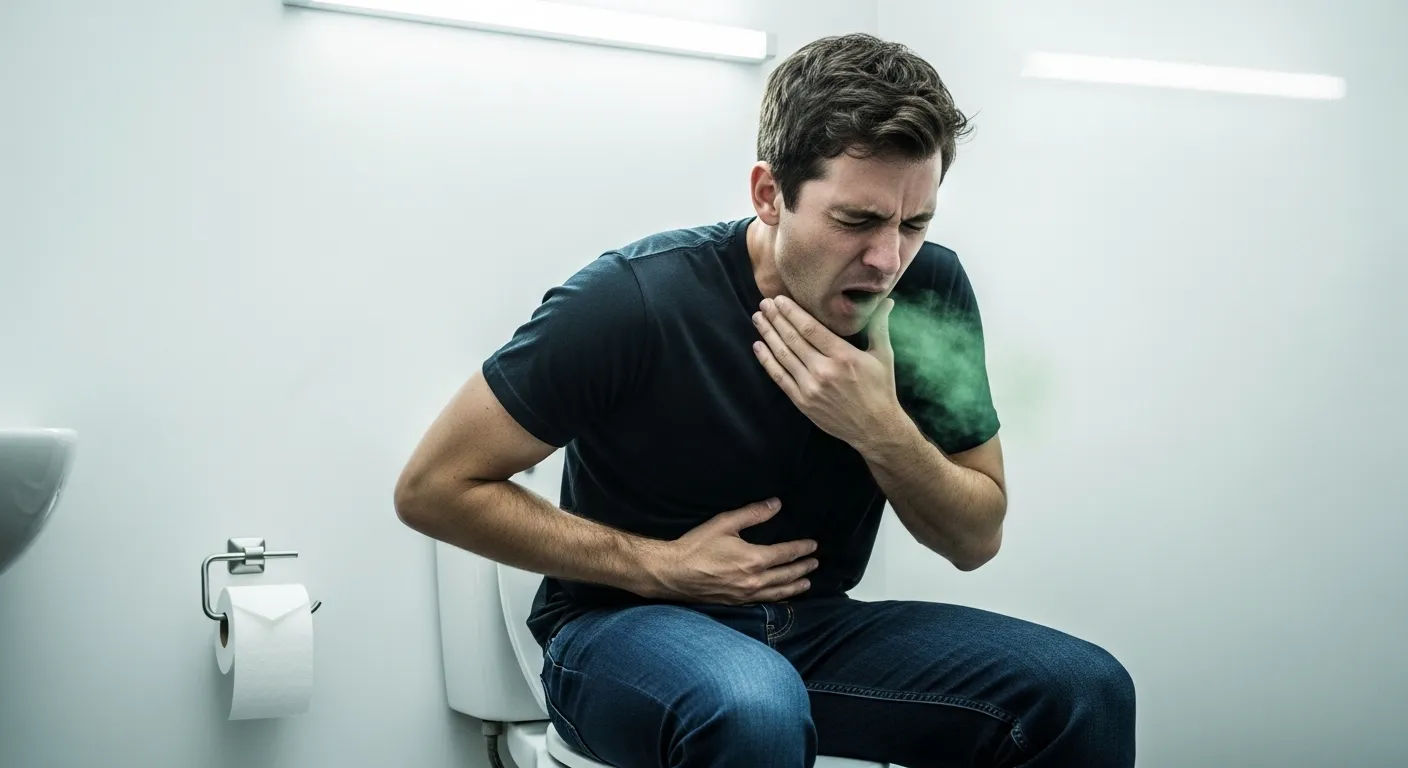
Let's cut to the chase—when your body decides to pull a double feature of diarrhea and burping, it's usually trying to tell you something important. Think of it like your internal alarm system going off, except instead of a siren, you get sulfur-smelling burps and a sudden urge to sprint to the nearest bathroom. The usual suspects? Food poisoning tops the list—especially if you've been adventurous with street food or that questionable leftover in the back of your fridge that's been staring at you judgmentally for a week. Bacterial infections like E. coli or salmonella love to crash your digestive party uninvited, bringing along their friends diarrhea and burping as their plus-ones. Viral gastroenteritis (aka the stomach flu) is another frequent culprit, turning your gut into a washing machine on spin cycle while your esophagus practices its opera singing with those eggy burps.
What Sickness Has Eggy Burps and Diarrhea: Following the Sulfur Trail
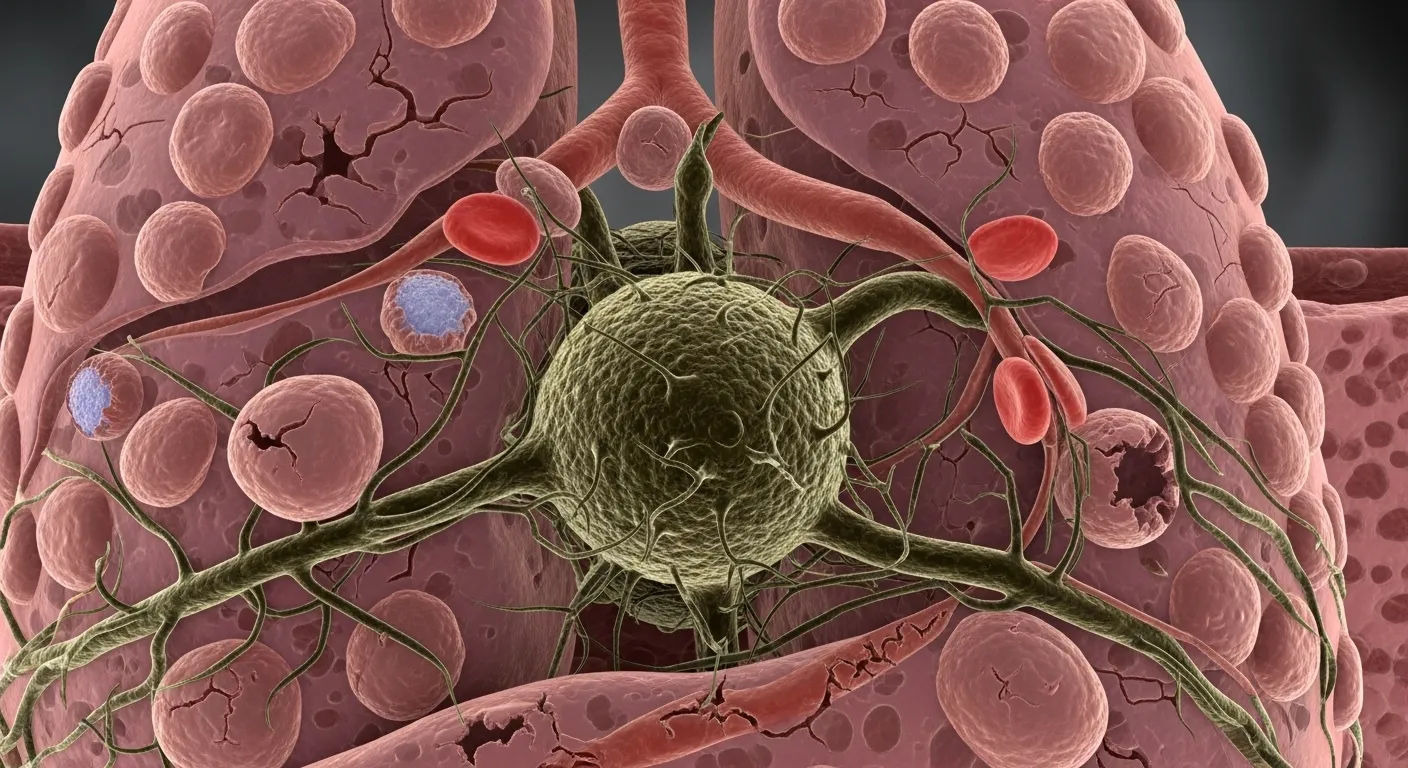
Alright, let's talk about the elephant in the room—or should I say, the rotten egg smell in your burps. When your diarrhea and burping comes with that distinctive eggy aroma, you're dealing with hydrogen sulfide gas, and trust me, your nose won't forget it anytime soon. Giardiasis is public enemy number one here—a parasitic infection you can pick up from contaminated water (looking at you, hikers who drink from mountain streams without filtering). This little bugger sets up camp in your small intestine and throws a gas-producing rave that leaves you with foul-smelling burps and watery diarrhea that could probably power a small hydroelectric plant. H. pylori infections can also cause this sulfur symphony, along with good old-fashioned food intolerances—especially if you're lactose intolerant and thought "maybe just this once" before demolishing that triple-cream cheese platter.
What to Eat When You Have Diarrhea and Burping: The BRAT Diet Salvation
So you're stuck in this delightful cycle of diarrhea and burping, and your stomach feels like it's auditioning for a role in a disaster movie. What do you reach for? First rule of Fight Club—err, I mean, first rule of digestive distress: keep it bland, baby. The BRAT diet (bananas, rice, applesauce, toast) isn't just something your grandma made up to torture you—it's science, people! Bananas bring potassium back to the party (you've been losing it faster than a politician loses promises), plain white rice absorbs excess liquid like a sponge at a spill convention, and toast? Well, toast is just comforting, like a warm hug for your angry intestines. Avoid dairy like it's your ex's birthday party, skip the caffeine (sorry, coffee lovers), and definitely don't touch anything spicy unless you enjoy the sensation of fire coming out both ends simultaneously. Stick to room-temperature water, herbal teas (ginger and peppermint are MVPs here), and maybe some saltine crackers if you're feeling adventurous.
What Does It Mean If My Stomach Hurts, I'm Gassy and I Have Diarrhea: Connecting the Dots
When your stomach decides to pull a triple threat of pain, gas, and diarrhea and burping, it's basically waving a giant red flag that says "SOMETHING'S WRONG IN HERE!" This particular combo usually points to inflammation somewhere in your digestive tract—could be your stomach lining throwing a tantrum (gastritis), your intestines getting all worked up (enteritis), or even your entire GI system staging a protest (gastroenteritis). If the pain is sharp and localized to your lower right side, call your doctor immediately—that could be appendicitis playing dress-up as indigestion. But if it's more of a crampy, rolling pain that comes and goes like a bad relationship, you're probably dealing with a viral or bacterial infection that'll pass in a few days. The key is listening to your body's Morse code: constant severe pain = ER time, intermittent cramping with diarrhea and burping = probably just ride it out with lots of fluids and Netflix.
The Science Behind the Symphony: Why Your Body Does This
Ever wonder why your digestive system has to be so dramatic about everything? Like, couldn't it just send a polite text instead of this whole diarrhea and burping spectacle? Here's the deal: your gut is basically a 30-foot-long tube with a personality disorder. When something irritates it—whether it's a pathogen, an allergen, or just that third slice of pizza you knew you shouldn't have had—your body goes into emergency evacuation mode. The diarrhea? That's your intestines hitting the panic button and flushing everything out at warp speed. The burping? That's your stomach trying to relieve pressure from all the gas-producing bacteria having a block party in your small intestine. It's not pretty, but it's effective—your body's way of saying "NOT TODAY, SATAN" to whatever's trying to make you sick. Sometimes the cure is worse than the disease, but hey, evolution didn't exactly prioritize comfort over survival.
Common Triggers You Might Not Expect: The Usual Suspects
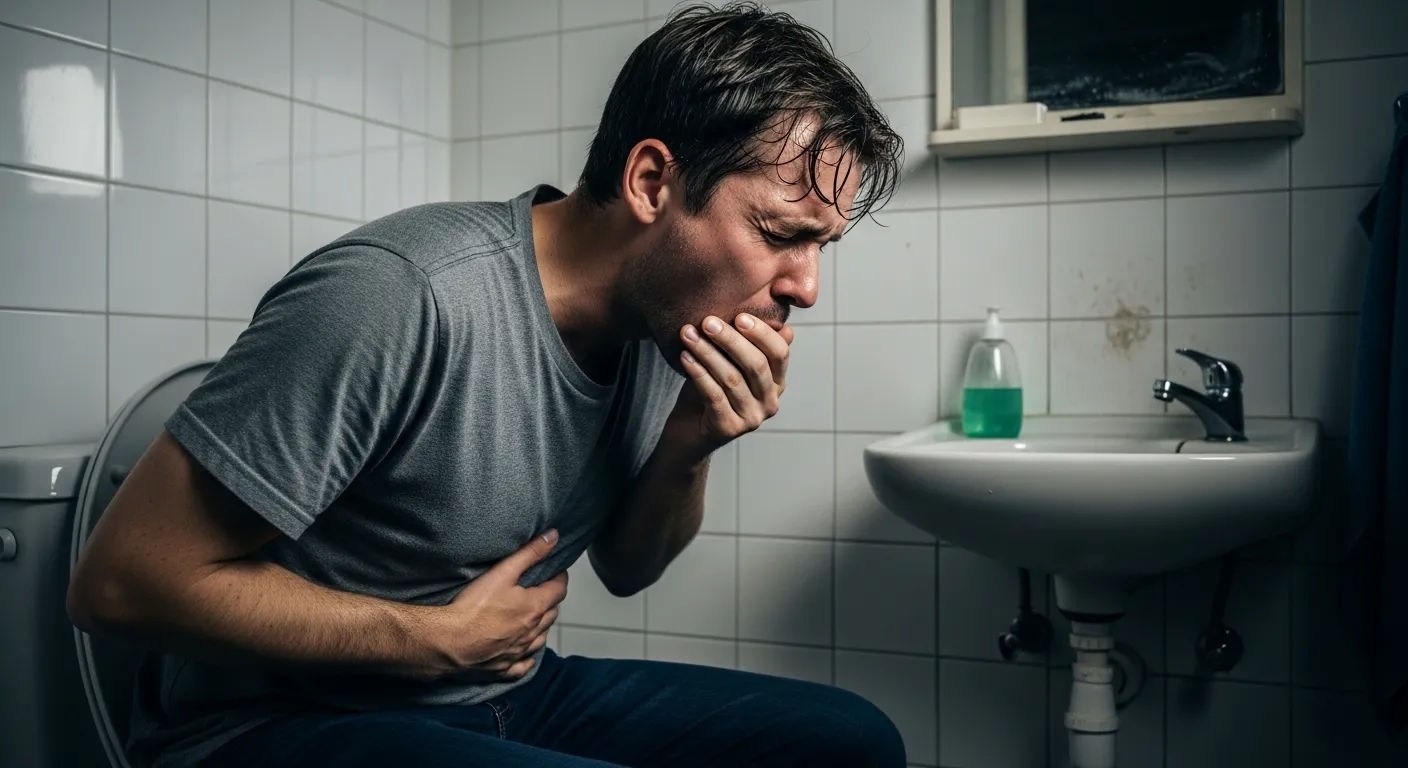
While we all know that sketchy taco truck or expired milk can send us on a one-way trip to diarrhea and burping town, there are some sneaky culprits lurking in plain sight. Artificial sweeteners, for instance—those "sugar-free" treats might save you calories, but sorbitol and mannitol can ferment in your gut like a science experiment gone wrong. Antibiotics are another silent assassin; sure, they kill the bad bacteria causing your infection, but they also nuke the good bacteria that keep your digestive system running smoothly, leaving room for opportunistic pathogens to move in and throw their own gas-producing parties. Even stress can trigger this delightful combo—your brain and gut are besties who text each other constantly, so when your mind's freaking out about that work deadline, your stomach might respond with a dramatic display of diarrhea and burping just to keep things interesting. And don't get me started on carbonated beverages—drinking soda is basically volunteering to be a human balloon animal.
When to Worry: Red Flags vs. Normal Discomfort
Look, most cases of diarrhea and burping are about as serious as a soap opera plot twist—they're dramatic, uncomfortable, but ultimately harmless and temporary. However, your body does have ways of signaling when it's time to actually worry. If your diarrhea lasts more than three days without improvement, that's your cue to pick up the phone. Blood in your stool? Definitely not normal—call your doctor yesterday. A fever over 102°F (38.9°C) hanging around for more than a day? That's your body's way of waving a white flag. Severe dehydration signs like dizziness, dark urine, or not peeing for 12+ hours? ER time, no questions asked. And if you're experiencing weight loss alongside persistent diarrhea and burping, that could indicate something more chronic like Crohn's disease or ulcerative colitis. Bottom line: trust your gut (pun intended)—if something feels off beyond the usual discomfort, don't play doctor with WebMD at 2 a.m.
Home Remedies That Actually Work: Grandma Was Right Sometimes
Before you drain your bank account on every probiotic supplement and digestive enzyme under the sun, let's talk about some old-school remedies that actually have science backing them up. Ginger isn't just for sushi—it's a natural anti-inflammatory that can calm your stomach's temper tantrum. Peppermint tea works like a chill pill for your digestive tract, relaxing those spasming muscles that are causing all the drama. Probiotics (the good kind, not the sketchy Amazon ones with 50 reviews) can help repopulate your gut with the beneficial bacteria that keep things running smoothly—think of them as the bouncers at your intestinal club, kicking out the troublemakers. And don't underestimate the power of good old-fashioned rest—your body heals faster when you're not running around like a headless chicken trying to "push through it." Sometimes the best medicine is literally doing nothing except staying hydrated and letting your immune system do its job.
Prevention Strategies: How to Avoid This Mess Next Time
Let's be real—nobody wakes up hoping to spend their day intimately acquainted with their toilet. So how do you avoid the dreaded diarrhea and burping combo in the first place? Handwashing isn't just for kindergarten—it's your first line of defense against the germs that cause most digestive upsets. When traveling, be smart about water and food choices (bottled water, cooked foods, peeling your own fruit). If you know you're sensitive to certain foods, maybe don't test fate by eating them before a long road trip or important meeting. And for heaven's sake, pay attention to expiration dates—your wallet might thank you for eating that questionable yogurt, but your digestive system will definitely not. Building a healthy gut microbiome through a balanced diet rich in fiber, fermented foods, and diverse plant sources can also make your digestive system more resilient when it does encounter something sketchy. Think of it like building an immune system fortress—one brick (or probiotic) at a time.
Navigating Recovery and When to Seek Professional Help
Recovering from a bout of diarrhea and burping is like rebuilding after a natural disaster—slow, methodical, and requiring patience you didn't know you had. Start with clear liquids, graduate to bland foods, and slowly reintroduce your normal diet over several days. Don't jump straight back into spicy foods or dairy even if you feel better—your gut lining needs time to heal, and rushing it is like putting a band-aid on a broken leg. Over-the-counter medications like loperamide can help control diarrhea symptoms, but they're not always the answer—sometimes your body needs to flush things out naturally. If symptoms persist beyond a week, worsen instead of improving, or if you develop new concerning symptoms, it's time to consult a healthcare professional who can run proper tests and rule out underlying conditions. For more comprehensive health guidance, visit our main page at Dr Jay Stone, explore our Health category for related topics, or check out our detailed analysis on Constipation and Diarrhea at the Same Time: IBS Swing to understand other digestive patterns.
Frequently Asked Questions
What causes excessive gas burping and diarrhea?
Excessive diarrhea and burping is commonly caused by food poisoning from bacteria like E. coli or salmonella, viral gastroenteritis (stomach flu), parasitic infections such as giardiasis, food intolerances (especially lactose), or bacterial overgrowth in the small intestine. These conditions irritate the digestive tract, leading to rapid transit of contents (diarrhea) and increased gas production (burping). In some cases, medications like antibiotics or underlying conditions like IBS can also trigger this uncomfortable combination.
What sickness has eggy burps and diarrhea?
When diarrhea and burping comes with that distinctive rotten egg smell, it's typically caused by hydrogen sulfide gas production. Giardiasis (a parasitic infection from contaminated water) is the most common culprit, but H. pylori bacterial infections, certain food intolerances, and sulfur-reducing bacteria overgrowth can also produce this eggy aroma. The sulfur compounds created during digestion of certain foods or by pathogenic organisms give burps their characteristic foul odor while simultaneously irritating the intestines to cause diarrhea.
What to eat when you have diarrhea and burping?
When dealing with diarrhea and burping, stick to the BRAT diet (bananas, rice, applesauce, toast) and other bland, binding foods. Bananas replace lost potassium, white rice absorbs excess fluid, and plain toast provides gentle carbohydrates. Avoid dairy products, caffeine, alcohol, spicy foods, fatty foods, and carbonated beverages as these can worsen symptoms. Stay hydrated with water, oral rehydration solutions, or herbal teas like ginger and peppermint. Gradually reintroduce normal foods after 24-48 hours as symptoms improve, starting with easily digestible options like boiled potatoes or steamed carrots.
What does it mean if my stomach hurts, I'm gassy and I have diarrhea?
Stomach pain combined with gas and diarrhea and burping typically indicates inflammation or infection somewhere in your digestive tract. This could be gastroenteritis (viral or bacterial), food poisoning, gastritis, enteritis, or even early appendicitis if pain is localized to the lower right abdomen. The cramping pain comes from intestinal muscle spasms trying to expel irritants, while gas buildup causes bloating and burping. If pain is severe, persistent, or accompanied by fever over 102°F, blood in stool, or signs of dehydration, seek medical attention immediately as these could indicate more serious conditions requiring treatment.
References
- https://www.cdc.gov/parasites/giardia/general-information.html
- https://www.niddk.nih.gov/health-information/digestive-diseases/diarrhea
- https://www.mayoclinic.org/diseases-conditions/gastroenteritis/symptoms-causes/syc-20372779
- https://www.ncbi.nlm.nih.gov/pmc/articles/PMC5579659/