Hypothyroidism Heart Rate Slow Pulse Links

- 1.
“Wait, is my heart just… lazy?” – Unpacking the Link Between Hypothyroidism and Heart Rate
- 2.
The Thyroid-Heart Connection: When Endocrine Meets Cardiac
- 3.
Resting Pulse in Thyroid Patients: What the Numbers Actually Mean
- 4.
Beyond the Pulse: Other Vital Signs That Whisper “Thyroid Trouble”
- 5.
When the Slow Beat Turns Serious: Cardiovascular Risks of Untreated Hypothyroidism
- 6.
Medication Matters: How Levothyroxine Can Reset Your Rhythm
- 7.
Mythbusting: “All Slow Hearts Are Athletic Hearts”
- 8.
Listening to Your Body: When to Worry About Your Pulse
- 9.
Lifestyle Tweaks That Support Both Thyroid and Heart Health
- 10.
From Confusion to Clarity: Navigating the Hypothyroidism-Heart Rate Maze with Confidence
Table of Contents
hypothyroidism heart rate
“Wait, is my heart just… lazy?” – Unpacking the Link Between Hypothyroidism and Heart Rate
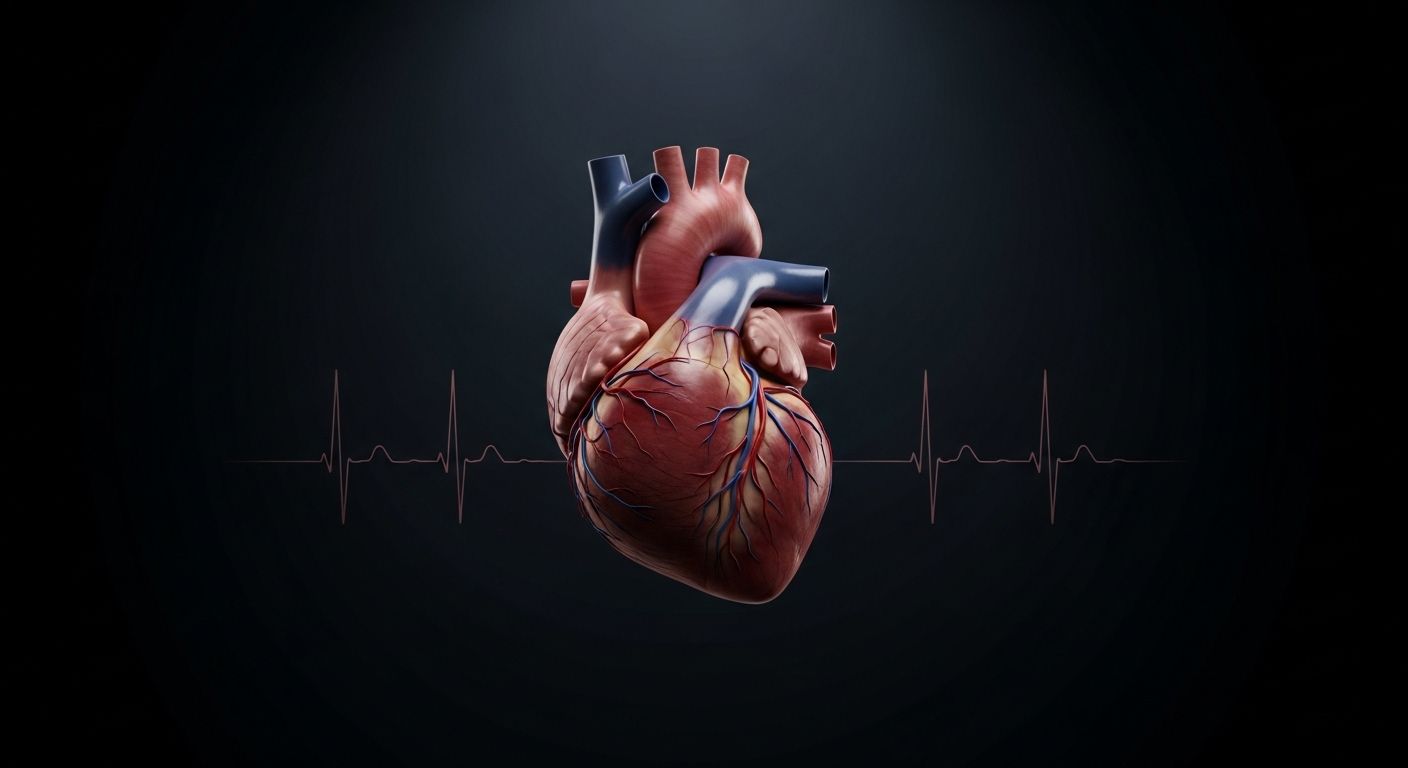
Ever caught yourself checking your wrist pulse like you’re auditioning for a medical drama, only to find it barely whispering? Like, yo, is my ticker on vacation? If you’ve got hypothyroidism, that slow, steady drumbeat might not be chill—it might be your thyroid giving your heart the silent treatment. Hypothyroidism, where your thyroid gland just can’t be bothered to pump out enough hormones, doesn’t just mess with your energy or your hair—it straight-up flirts with your cardiovascular system. And when we talk hypothyroidism heart rate, we’re usually looking at bradycardia: that’s fancy doc-speak for a resting heart rate under 60 bpm. Not that it’s always dangerous—but it sure ain’t “normal” in the mainstream sense. Your heart, bless its overworked valves, might be ticking along like a grandfather clock in a sleepy Southern porch. And trust us, in the U.S., where hustle culture’s the national anthem, that kinda pace raises eyebrows faster than a TikTok trend.
The Thyroid-Heart Connection: When Endocrine Meets Cardiac
Let’s get nerdy for a sec. Your thyroid hormones—mainly T3 and T4—act like the body’s internal Wi-Fi signal for metabolism. When they dip (thanks, hypothyroidism), everything slows down: digestion, mood, even your skin’s glow game. But here’s the kicker: your heart’s got thyroid hormone receptors all over it. Like, literally waiting for instructions. No signal? Your heart muscle contracts less forcefully, your stroke volume drops, and—boom—your hypothyroidism heart rate plummets. It’s like your heart’s running on dial-up while the rest of the world’s on 5G. Clinically, this translates to reduced cardiac output, which can make you feel dizzy, fatigued, or like you just ran a half-marathon after climbing two stairs. And while your Fitbit might say “Zen Mode Activated,” your cardiologist might raise an eyebrow.
Resting Pulse in Thyroid Patients: What the Numbers Actually Mean
So, what’s a normal resting heart rate again? For most adults, 60–100 beats per minute (bpm). But throw hypothyroidism into the mix, and you might hover around 45–55 bpm—especially if untreated. Some elite athletes? Yeah, they live there too, but their hearts are efficient, not suppressed. With hypothyroidism heart rate in the low 50s, your body might not get the oxygen delivery it craves, especially during activity. You might notice you gasp walking uphill or feel your chest tighten just reaching for the top shelf. Fun fact: one 2022 meta-analysis found that nearly 38% of overt hypothyroid patients showed resting bradycardia. And no, drinking three cold brews won’t fix it—though we’ve all tried.
Beyond the Pulse: Other Vital Signs That Whisper “Thyroid Trouble”
It ain’t just about the beat. Hypothyroidism tweaks your whole physiological vibe. Think low body temp (like, “why’s everyone else sweating but I’m wearing three layers?”), elevated diastolic blood pressure (thyroid hormones help blood vessels relax—no hormones, no chill), and even delayed deep tendon reflexes (yep, your knee might take its sweet time kicking back). These are classic vital signs of hypothyroidism that clue docs in before labs even run. Plus, your skin might feel drier than a Salt Lake City winter, and your voice? Might sound like you’ve been chain-smoking since ’99—even if you’ve never touched a cigarette. All these signs whisper the same truth: your body’s running in energy-saving mode, and your hypothyroidism heart rate is just the tip of the iceberg.
When the Slow Beat Turns Serious: Cardiovascular Risks of Untreated Hypothyroidism
Look, a slightly slow heart? Not always a red flag. But chronic, untreated hypothyroidism? That’s where things get dicey. Over time, the reduced cardiac output, combined with higher cholesterol levels (thanks again, sluggish metabolism), ups your risk for atherosclerosis and even heart failure. Seriously—studies show hypothyroid folks have a 30–50% higher risk of developing coronary artery disease. And if you’ve got underlying heart issues? That slow hypothyroidism heart rate might tip you into symptomatic bradycardia—think fainting, confusion, or worse. So yeah, don’t just shrug it off like, “Meh, I’m just built different.” Your ticker’s sending an SOS in Morse code. Time to listen.
Medication Matters: How Levothyroxine Can Reset Your Rhythm
Here’s the good news: thyroid hormone replacement—usually levothyroxine—can bring your heart rate back from the land of the sluggish. Within weeks of proper dosing, many patients see their hypothyroidism heart rate normalize. But—and it’s a big but—you gotta get your dose right. Too little? Still dragging. Too much? Hello, tachycardia and anxiety sweats. Finding that sweet spot takes blood tests (TSH, free T4) and patience. One study showed 72% of patients on optimal levothyroxine therapy saw heart rate improvements within 8 weeks. So if your doc’s adjusting your meds and your pulse starts picking up? That’s not caffeine—it’s your thyroid finally getting the memo.
Mythbusting: “All Slow Hearts Are Athletic Hearts”
Oh, the classic misdiagnosis trap. “Oh, you’re just super fit!” says the urgent care nurse, while you’re internally screaming, “I haven’t worked out since Step Up 2 dropped!” Truth is, athletic bradycardia comes with peak oxygen efficiency and strong cardiac output. Hypothyroid bradycardia? Comes with brain fog, constipation, and a craving for carbs that could power a small city. If your slow hypothyroidism heart rate is paired with fatigue that naps can’t fix, or you’re gaining weight despite eating like a bird? It’s probably not your “elite conditioning.” Get your thyroid checked—better safe than sorry, y’know?
Listening to Your Body: When to Worry About Your Pulse
If your resting heart rate’s below 50 bpm and you’re feeling dizzy, short of breath, or like your chest’s doing a weird flutter dance—call your doc. Especially if you already know you’ve got hypothyroidism. Symptoms like syncope (fainting), extreme fatigue during mild activity, or swelling in your legs aren’t “just part of the condition”—they’re red flags. Your hypothyroidism heart rate should improve with treatment. If it doesn’t? Might be time to dig deeper. Maybe check for coexisting conditions like sleep apnea or electrolyte imbalances. Don’t ghost your symptoms—they’re your body’s group text.
Lifestyle Tweaks That Support Both Thyroid and Heart Health
Medication’s key, but your daily habits? They’re the backup singers. Eating selenium-rich foods (think Brazil nuts, tuna), cutting back on ultra-processed junk, managing stress (hello, yoga and breathwork), and getting consistent sleep all help your thyroid—and by extension, your hypothyroidism heart rate—stay in tune. Also, avoid crash diets. Your metabolism’s already in park; don’t yank the emergency brake. And while we’re at it, lay off the soy if you’re on levothyroxine—it can mess with absorption. Small changes, big ripple effects.
From Confusion to Clarity: Navigating the Hypothyroidism-Heart Rate Maze with Confidence
Look, being diagnosed with hypothyroidism can feel like getting handed a cryptic crossword in a language you barely speak. But once you connect the dots—like how your slow hypothyroidism heart rate ties into fatigue, weight gain, and cold intolerance—the picture gets clearer. And with the right care, you can get your rhythm back without losing your soul to pill bottles and lab slips. For more on how thyroid health touches every corner of your life, swing by the Dr Jay Stone homepage. Dive deeper into wellness topics over at the Health section. Or if you’re dealing with weird respiratory quirks alongside your thyroid journey, check out our piece on Dry Cough When Taking Deep Breath Painful Inhales—because sometimes, the body’s signals come in combos.
Frequently Asked Questions
Does hypothyroidism affect heart rate?
Absolutely. Hypothyroidism commonly leads to bradycardia—a slower-than-normal heart rate—due to reduced thyroid hormone levels that directly impact cardiac function. This hypothyroidism heart rate effect stems from decreased myocardial contractility and lower metabolic demand, often resulting in resting pulses below 60 bpm. While not always dangerous, it can contribute to fatigue, dizziness, and reduced exercise tolerance if left unmanaged.
What are the worst symptoms of hypothyroidism?
Beyond the classic fatigue and weight gain, severe hypothyroidism can trigger myxedema—a rare but life-threatening condition featuring extreme cold intolerance, swelling, confusion, and slowed breathing. Cardiovascular-wise, the most concerning symptoms tied to hypothyroidism heart rate include persistent bradycardia, shortness of breath with minimal exertion, and signs of heart failure like leg swelling or chest pressure. Mental fog so thick you forget why you walked into a room? Yeah, that’s in the mix too.
What is the resting heart rate of a thyroid patient?
In untreated hypothyroid patients, resting heart rate often falls between 45–55 bpm—significantly below the standard 60–100 bpm range. This slow hypothyroidism heart rate typically improves with proper thyroid hormone replacement. However, individual variation exists, and factors like age, fitness level, and coexisting conditions can influence baseline pulse. Always interpret your heart rate in context with other symptoms and lab results.
What are the vital signs of hypothyroidism?
Key vital signs of hypothyroidism include bradycardia (slow heart rate), low body temperature (often below 97°F/36.1°C), elevated diastolic blood pressure, and delayed relaxation phase of deep tendon reflexes. Patients may also present with dry skin, hoarse voice, and periorbital edema. These signs, combined with a low hypothyroidism heart rate, help clinicians identify thyroid dysfunction even before lab confirmation.
References
- https://www.ncbi.nlm.nih.gov/pmc/articles/PMC6134534/
- https://www.ahajournals.org/doi/10.1161/CIRCULATIONAHA.117.029312
- https://www.endocrine.org/patient-engagement/endocrine-library/hypothyroidism
- https://www.cdc.gov/thyroid/diseases/hypothyroidism.htm