Upper Stomach Gas Pain Epigastric Bloat Relief

- 1.
Understanding Upper Stomach Gas Pain: More Than Just a Passing Discomfort
- 2.
Common Culprits Behind That Pesky Upper Stomach Gas Pain
- 3.
Why Does the Top of My Stomach Hurt When I Have Gas?
- 4.
How Long Can Gas Be Trapped in the Upper Abdomen?
- 5.
Immediate Relief Strategies for Upper Stomach Gas Pain
- 6.
Positioning Techniques to Help Release Trapped Gas
- 7.
Dietary Adjustments to Prevent Future Upper Stomach Gas Pain
- 8.
When Upper Stomach Gas Pain Signals Something More Serious
- 9.
Long-Term Management Strategies for Chronic Upper Stomach Gas Pain
- 10.
Natural Remedies and Home Treatments for Upper Stomach Gas Pain
Table of Contents
upper stomach gas pain
Ever had that feeling like someone's doing the Macarena in your gut, but it's not even fiesta time? Yeah, we've been there too. That upper stomach gas pain can hit you outta nowhere when you're just trying to enjoy life, minding your own business, and suddenly—bam!—your midsection feels like it's hosting a wrestling match between bubble wrap and a tiny, angry dragon. We're talkin' that gnawing, bubbling sensation right under your ribs that makes you wanna curl up in a ball and question all your life choices, especially that third slice of pizza you totally didn't need.
Understanding Upper Stomach Gas Pain: More Than Just a Passing Discomfort
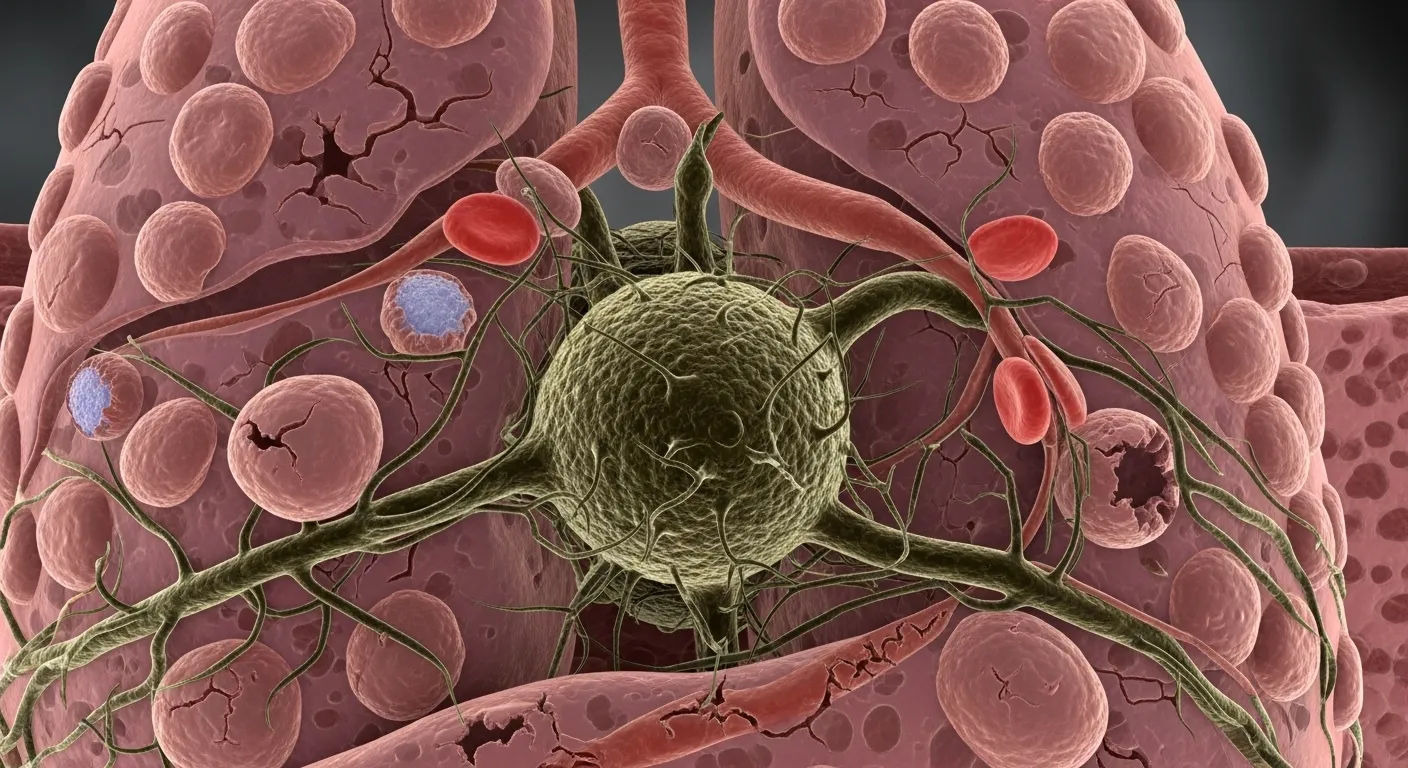
Let's get real for a minute here, folks. That upper stomach gas pain ain't just some random nuisance your body throws at you for funsies. Nah, this is your digestive system waving a big ol' red flag saying, "Hey! Pay attention to me, will ya?" When gas gets trapped up in your epigastric region—that fancy doctor-talk for the area right below your breastbone but above your belly button—it can feel like someone's slowly inflating a balloon inside you. And not the fun party kind, either. We're talking about that sharp, stabbing upper stomach gas pain that makes you wanna cancel all your plans and just lie on the floor in the fetal position.
Common Culprits Behind That Pesky Upper Stomach Gas Pain
So what's really causin' all this drama in your digestive tract? Well, buckle up, buttercup, 'cause there's a whole lineup of usual suspects. First off, you got your carbonated beverages—sodas, sparkling water, energy drinks—that basically inject tiny bubbles straight into your system like some kinda liquid bubble wrap. Then there's the food crew: beans, broccoli, cabbage, onions, and anything with artificial sweeteners can turn your stomach into a fermentation factory faster than you can say "pass the antacids." Oh, and let's not forget about swallowing air while you're chowing down like there's no tomorrow or gulping your coffee like it's gonna run away from you. All that extra air has gotta go somewhere, and unfortunately, it often gets stuck right in that upper stomach gas pain zone.
Foods That Commonly Trigger Upper Stomach Gas Pain
Here's a quick rundown of the usual troublemakers when it comes to that upper stomach gas pain:
| Food Category | Examples | Gas Production Level |
|---|---|---|
| Legumes | Beans, lentils, chickpeas | High |
| Cruciferous Veggies | Broccoli, cauliflower, cabbage | High |
| Dairy Products | Milk, cheese, ice cream | Moderate-High |
| Carbonated Drinks | Soda, sparkling water, beer | Very High |
| Artificial Sweeteners | Sorbitol, mannitol, xylitol | Moderate |
Now, don't go throwin' all these foods out the window just yet. Most folks can handle 'em in moderation, but if you're dealin' with persistent upper stomach gas pain, it might be worth keepin' a food diary to see which ones are causin' you the most grief.
Why Does the Top of My Stomach Hurt When I Have Gas?
Alright, let's break this down like we're explainin' it to our best friend over a cup of tea. When gas builds up in your upper digestive tract, it's basically takin' up space that's already pretty crowded in there. Your stomach and intestines are like a packed subway car during rush hour—everyone's tryin' to squeeze in, and nobody's happy about it. That pressure from the trapped gas pushes against your stomach walls and surrounding organs, which have a bunch of nerve endings that are basically screaming, "Hey! Something's not right here!" That's why you feel that achin', burnin', or sometimes even sharp upper stomach gas pain. It's your body's way of sayin', "Dude, we got a situation down here."
And get this—sometimes that upper stomach gas pain can actually mimic other, more serious conditions. We're talkin' heart attack symptoms, gallbladder attacks, even pancreatitis. Scary stuff, right? That's why it's super important to know your body and when to seek medical attention. If your upper stomach gas pain comes with chest pain, shortness of breath, or pain radiating to your arm or jaw, don't just sit there thinkin' it's gas—get yourself to a doctor, stat.
How Long Can Gas Be Trapped in the Upper Abdomen?
Now, you're probably wonderin', "How long is this torture gonna last?" Well, here's the deal: most cases of upper stomach gas pain will resolve on their own within a few hours to maybe a day or two. Your body's pretty good at movin' things along eventually, even if it feels like that gas has taken up permanent residence in your gut. But—and this is a big but—if your upper stomach gas pain sticks around for more than a few days, or if it keeps comin' back regularly, that's when you should probably have a chat with your healthcare provider. Persistent upper stomach gas pain could be a sign of something more serious like irritable bowel syndrome (IBS), gastroesophageal reflux disease (GERD), or even a food intolerance you didn't know you had.
According to some studies we've come across, about 60-70% of adults experience occasional gas-related discomfort, but only about 15-20% report it being severe enough to interfere with their daily activities. So if you're feelin' like you're all alone in this, trust us, you're definitely not. That upper stomach gas pain is way more common than people like to admit—probably 'cause it's not exactly dinner party conversation material.
Immediate Relief Strategies for Upper Stomach Gas Pain
When that upper stomach gas pain hits and you need relief, like, yesterday, here are some tried-and-true methods that might help you find some sweet, sweet comfort:
First up, gentle movement. Yeah, we know—when your gut's achin', the last thing you wanna do is move around. But trust us on this one. A slow walk around the block or even just some gentle stretching can help get things movin' in your digestive tract. Think of it like shakin' a ketchup bottle to get the last drops out—sometimes your intestines just need a little encouragement to do their thing. That upper stomach gas pain might start to ease up once the gas finds its way out.

Next, try some over-the-counter remedies. Simethicone-based products can help break up those gas bubbles so they're easier to pass. Peppermint tea is another old-school remedy that's been helpin' folks with upper stomach gas pain for generations. The menthol in peppermint acts as a natural muscle relaxant, which can help soothe those cramped-up digestive muscles. Just don't go chuggin' a whole pot of it—start with a cup and see how your body responds.
Positioning Techniques to Help Release Trapped Gas
Sometimes, the secret to releasin' that stubborn upper stomach gas pain is all about gettin' your body in the right position. Ever notice how babies get burped by holdin' them upright against your shoulder? Well, there's a reason for that—it helps the gas bubbles rise to the top where they can escape more easily. For us grown-ups dealin' with upper stomach gas pain, try lyin' on your left side. Sounds weird, we know, but your stomach's actually positioned on the left side of your body, so gravity can help move things along when you're in that position. Another option is the knee-to-chest pose—lie on your back and gently pull your knees toward your chest. This can help compress your abdomen and encourage that trapped gas to move along.
And don't underestimate the power of a good ol' fashioned belly rub. Seriously, just gently massagin' your abdomen in a clockwise direction (that's the direction your intestines naturally move) can help stimulate things and get that upper stomach gas pain movin' in the right direction. Just keep the pressure light and gentle—no need to go all Hulk on your stomach.
Dietary Adjustments to Prevent Future Upper Stomach Gas Pain
Look, we get it—nobody wants to live their life avoidin' all the foods they love just 'cause of some gas pain. But if you're dealin' with frequent upper stomach gas pain, it might be worth makin' some adjustments to your diet. Start by keepin' a food diary for a couple of weeks. Write down everything you eat and drink, and note when you experience that upper stomach gas pain. You might start to see patterns emerge that can help you identify your personal trigger foods.
When you do eat gas-producing foods, try eatin' them in smaller portions and pairin' them with other foods that are easier to digest. For example, instead of havin' a huge bowl of chili all by itself, have a smaller portion with some rice or bread. This can help slow down the digestion process and give your body more time to handle the gas production. Also, make sure you're chewin' your food thoroughly—like, really chewin' it. We're talkin' 20-30 chews per bite. It sounds tedious, but it makes a world of difference for that upper stomach gas pain.
When Upper Stomach Gas Pain Signals Something More Serious
Now, we don't wanna be alarmists or anything, but there are times when that upper stomach gas pain might be tryin' to tell you somethin' more serious is goin' on. If your pain is severe, persistent, or accompanied by other symptoms like fever, vomiting, bloody stools, or unexplained weight loss, it's definitely time to see a doctor. Same goes if you notice your upper stomach gas pain is gettin' worse over time or if over-the-counter remedies aren't helpin' at all.
Some conditions that can present with symptoms similar to upper stomach gas pain include gallstones, pancreatitis, peptic ulcers, and even certain types of cancer. We're not tryin' to scare you—most of the time, it really is just gas—but it's always better to be safe than sorry when it comes to your health. Your doctor can run some tests to rule out any serious conditions and give you peace of mind.
Long-Term Management Strategies for Chronic Upper Stomach Gas Pain
If you find yourself dealin' with upper stomach gas pain on the regular, it might be time to think about some long-term management strategies. First off, consider workin' with a registered dietitian who can help you identify trigger foods and develop a personalized eating plan. They can also make sure you're still gettin' all the nutrients your body needs while avoidin' those pesky gas-producing foods.
Stress management is another big one. Believe it or not, stress can really mess with your digestive system and make that upper stomach gas pain worse. Try incorporatin' some relaxation techniques into your daily routine—things like deep breathing exercises, meditation, yoga, or even just takin' a few minutes each day to do somethin' you enjoy. Your gut will thank you for it.
And don't forget about probiotics! These good bacteria can help balance out your gut microbiome and improve your overall digestive health. You can find probiotics in fermented foods like yogurt, kefir, sauerkraut, and kimchi, or you can take them as supplements. Just make sure to talk to your doctor before startin' any new supplement regimen, especially if you have any underlying health conditions.
For more comprehensive health information, check out our Dr Jay Stone homepage where we cover all sorts of wellness topics. If you're specifically interested in digestive health, our Health category has tons of resources. And for those dealin' with chest pain that might be related to gas, don't miss our detailed article on heart pain due to gas chest mimic ease.
Natural Remedies and Home Treatments for Upper Stomach Gas Pain
Sometimes the best solutions are the simplest ones, right? When it comes to that upper stomach gas pain, there are plenty of natural remedies you can try before reachin' for the medicine cabinet. Ginger is a classic—it's been used for centuries to soothe upset stomachs and reduce inflammation. You can sip on ginger tea, chew on a small piece of fresh ginger, or even take ginger supplements (just check with your doctor first).
Chamomile tea is another gentle option that can help relax your digestive muscles and reduce that upper stomach gas pain. Fennel seeds are also worth tryin'—they've been used in traditional medicine for ages to help with digestion and gas. You can chew on a teaspoon of fennel seeds after meals or brew them into a tea. And don't forget about warm compresses! Placin' a heating pad or warm towel on your abdomen can help relax those cramped-up muscles and provide some sweet relief from that upper stomach gas pain.
Frequently Asked Questions About Upper Stomach Gas Pain
How do I get rid of trapped gas in my upper abdomen?
To relieve trapped gas in your upper abdomen, try gentle movement like walking, lying on your left side, or doing the knee-to-chest pose. Over-the-counter simethicone products can help break up gas bubbles, and peppermint tea may relax your digestive muscles. Gentle abdominal massage in a clockwise direction can also encourage gas movement and reduce that upper stomach gas pain.
Why does the top of my stomach hurt and I have gas?
Upper stomach pain with gas occurs when trapped gas creates pressure against your stomach walls and surrounding organs. This pressure stimulates nerve endings, causing that characteristic upper stomach gas pain. Common triggers include carbonated beverages, gas-producing foods, swallowing air while eating, and digestive disorders like IBS or GERD.
How long can gas be trapped in the upper abdomen?
Most cases of upper stomach gas pain resolve within a few hours to a couple of days as your body naturally processes and eliminates the trapped gas. However, if your upper stomach gas pain persists for more than a few days or keeps recurring regularly, it could indicate an underlying digestive issue that requires medical evaluation.
How to remove gas from top of stomach?
To remove gas from the top of your stomach, try burping by drinking warm liquids or gently patting your chest. Lying on your left side can help gas bubbles rise and escape. Gentle exercise like walking, abdominal massage in a clockwise direction, and over-the-counter remedies like simethicone can also help alleviate that upper stomach gas pain by promoting gas release.
References
- https://www.mayoclinic.org/diseases-conditions/gas-and-gas-pains/symptoms-causes/syc-20372714
- https://www.healthline.com/health/digestive-health/gas-pain-relief
- https://www.webmd.com/digestive-disorders/gas-pain-causes-treatments
- https://www.ncbi.nlm.nih.gov/pmc/articles/PMC4121930/