Irritated Bladder But No Infection Overactive Clues
- 1.
Understanding the Frustrating Paradox of an Irritated Bladder but No Infection
- 2.
Differentiating Between a UTI and Non-Infectious Bladder Irritation
- 3.
Unpacking Interstitial Cystitis: The Stealthy Bladder Agitator
- 4.
Dietary Triggers That Make Your Bladder Throw a Fit
- 5.
The Role of Stress and Nerves in Bladder Hypersensitivity
- 6.
How to Calm an Irritated Bladder (Without Antibiotics)
- 7.
Testing for Interstitial Cystitis: What to Expect at the Urologist
- 8.
Lifestyle Tweaks That Bring Real Relief
- 9.
Why Women Are More Prone to Non-Infectious Bladder Irritation
- 10.
Navigating Misdiagnosis and Finding the Right Care Path
Table of Contents
irritated bladder but no infection
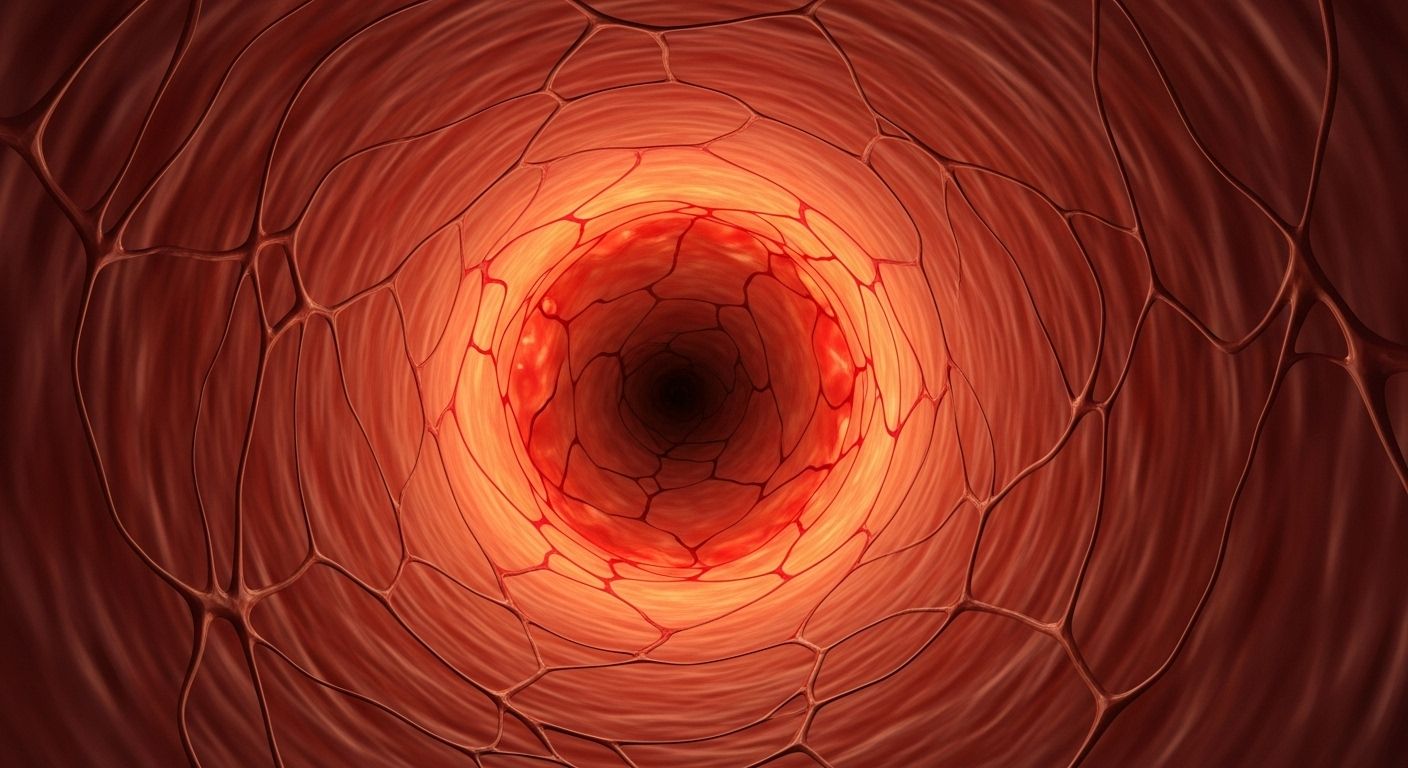
Understanding the Frustrating Paradox of an Irritated Bladder but No Infection
Ever feel like your bladder’s pitchin’ a fit like it just got dumped by its favorite soda? Like, you’re hightailin’ to the bathroom every 15 minutes, but the doc’s like, “Nah, your pee’s cleaner than a Sunday morning church pew”? Yeah, honey—you’re not losin’ it. You’re smack-dab in the club where “irritated bladder but no infection” is the real talk. Medically, this phantom pain might be interstitial cystitis (IC) or overactive bladder (OAB) knockin’ on your door—zero germs invited, but your bladder’s still throwin’ a full-blown hissy fit. It ain’t a UTI, but it sure feels like your insides are screamin’ for a union rep. According to the National Institute of Diabetes and Digestive and Kidney Diseases (NIDDK), up to 12 million folks across the good ol’ U.S. are ridin’ this wild, infection-free rollercoaster. And sure, some folks’ll say, “Musta had too much iced tea,” or “Girl, you stressed.” But nah—this runs deeper than your grandma’s sweet tea recipe.
Differentiating Between a UTI and Non-Infectious Bladder Irritation
Alright, real talk: A UTI usually shows up loud and clear—burnin’ pee, funky-smellin’ urine, maybe even a lil’ fever like your body’s runnin’ a fever pitch. But if your test comes back cleaner than a Midwestern kitchen counter and you’re still feelin’ like you gotta go every time you blink? That’s your sign. “Irritated bladder but no infection” doesn’t bring bacteria to the party—it just mimics UTI drama like a method actor. Kinda like your bladder got stood up by microbes but still dressed for the date. Docs use urinalysis and urine cultures to clear infection off the list. When both come back clean but your bladder’s still side-eyein’ you? Time to dig into other suspects—IC, pelvic floor tension, or even your third cup of diner coffee actin’ up. Bottom line: no bug don’t mean no pain.
Unpacking Interstitial Cystitis: The Stealthy Bladder Agitator
Interstitial cystitis (IC)—sometimes called “painful bladder syndrome”—is like that quiet neighbor who never mows their lawn but somehow sets off your smoke alarm. No germs. No virus. Just your bladder linin’ feelin’ raw and dramatic for no good reason. Makes you feel like you gotta pee even when your tank’s drier than a Nevada summer. IC mostly hits women—like, 90% of diagnosed cases—and symptoms can flare with your cycle, stress levels, or even when the humidity drops (yep, your bladder’s got more mood swings than your cousin’s teenage TikTok account). Classic signs? Belly pressure, pelvic ache that eases after you pee, and that never-endin’ “irritated bladder but no infection” loop. The kicker? No single test nails it. Diagnosis’s a game of elimination—like swipin’ left on every med condition ‘til you’re left with the one you didn’t wanna match with.
Dietary Triggers That Make Your Bladder Throw a Fit
Turns out, your lunch might be low-key sabotagin’ your peace. Certain foods and drinks are straight-up bladder agitators—especially if you’re dealin’ with IC or a sensitive system. We’re talkin’ citrus fruits, tomato sauce (RIP your Sunday pasta night), coffee (sorry, Seattle), alcohol, hot sauce, fake sugars, and bubbly drinks. Even cranberry juice—yeah, the “UTI cure-all”—can backfire like a cheap firework if you’ve got non-infectious irritation. A study in Urology Clinics of North America found over 70% of IC patients linked their flare-ups to what they ate. So if your bladder’s actin’ up but tests say “all good,” maybe it’s time to take a hard look at that snack drawer. Think of it like curfew for your cravings: eat clean, pee calm.
The Role of Stress and Nerves in Bladder Hypersensitivity
Here’s the tea: your brain and bladder are tighter than two old friends at a Friday night fish fry. They’re wired up through the pelvic nerve hotline, and when stress cranks your nervous system into overdrive, your bladder might think it’s floodin’ in here—even if there’s barely a dribble. That’s neurogenic hypersensitivity for ya: a legit cause behind “irritated bladder but no infection,” especially if you’re prone to anxiety or carryin’ old tension. Ever feel like you gotta pee right before public speakin’? Now multiply that by ten, toss in pelvic pressure, and boom—you’re livin’ IC-adjacent. Good news? Mind-body moves like pelvic floor PT, breathwork, or even CBT can hush that nervous noise and give your bladder a minute to chillax.
How to Calm an Irritated Bladder (Without Antibiotics)
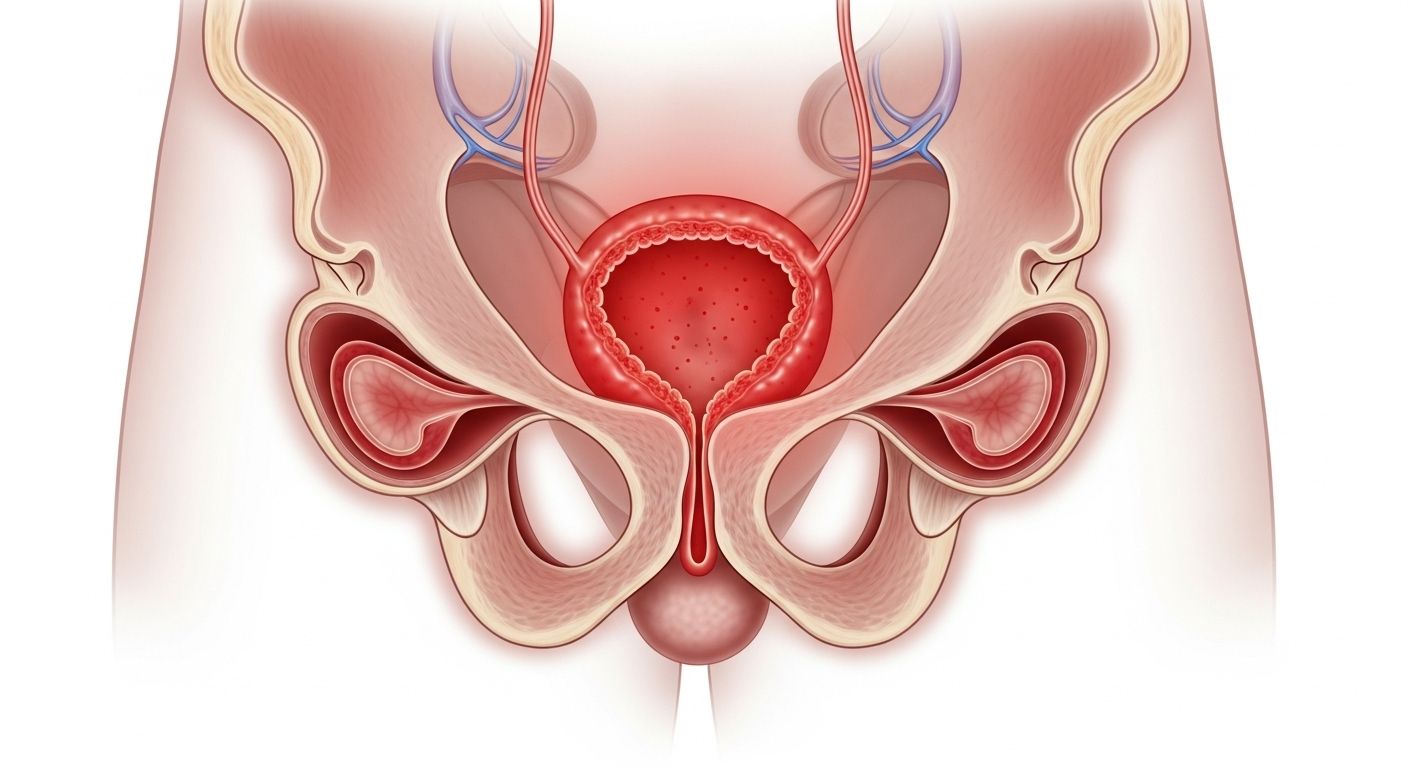
Since there’s no bug to bust, antibiotics won’t cut it—but don’t throw in the towel like a soggy paper napkin. Tacklin’ “irritated bladder but no infection” is all about comfort, not chemicals. Start by nixing bladder bullies: coffee, spicy wings, soda. Hydrate like you mean it—but not too much, not too little. You want pee the color of weak lemonade, not water or highlighter yellow. A warm pad on your lower belly? Pure relief. Some folks get love from meds like pentosan polysulfate sodium (Elmiron)—though it’s got some baggage. Others swear by bladder instillations (yep, meds dripped straight in via catheter—wild, but it works). And pelvic floor PT? Straight-up magic. Sometimes the issue ain’t your bladder—it’s the muscles around it holdin’ tension like they’re mad ‘bout your credit score.
Testing for Interstitial Cystitis: What to Expect at the Urologist
Had enough of your bladder playin’ head games? Your urologist’ll first rule out UTIs, STIs, stones, even endometriosis if applicable. If all’s clear, they might suggest a cystoscopy—a tiny camera takin’ a scenic tour inside your bladder. Rarely, they’ll do a potassium sensitivity test, but that’s kinda old-school now. Under light sedation, they’ll check for Hunner’s ulcers (specific IC sores) or tiny bleeds after gently stretchin’ the bladder. No single test confirms IC, so diagnosis leans on your symptoms plus what’s ruled out. Yeah, it’s frustrating as a pothole on I-95—but puttin’ a name to the beast is step one to wranglin’ it.
Lifestyle Tweaks That Bring Real Relief
Managin’ “irritated bladder but no infection” ain’t just pills and probes—it’s livin’ smarter. Rock loose cotton undies (save the thongs for when your bladder’s on vacation). Don’t hold your pee like it’s a secret, but don’t run to the loo “just in case” either—that trains your bladder to be needy. Keep a symptom journal: food, mood, cycle, activity. Patterns pop up like plot twists in a daytime soap. Walk, stretch, do gentle yoga—but skip the CrossFit jumpin’ if your pelvis ain’t feelin’ it. Hydrate steady, not in chugs. Treat your bladder like that moody cousin who shows up unannounced: be kind, set boundaries, and maybe keep the door locked after 8 p.m.
Why Women Are More Prone to Non-Infectious Bladder Irritation
Hey ladies—let’s get anatomical. Shorter urethras mean UTIs come easy—but when it’s *not* an infection, estrogen’s often pullin’ strings backstage. Hormone dips (period time, perimenopause, post-baby blues) can thin bladder and urethra tissues, makin’ ‘em extra touchy. Toss in pelvic floor strain from childbirth or years of sittin’ like you’re bracin’ for turbulence, and boom—you’ve got the perfect storm for “irritated bladder but no infection.” Studies even link IC to other invisible illnesses like fibromyalgia or IBS. This ain’t “in your head”—it’s in your hormones, nerves, and pelvic real estate. And yet, too many docs still brush it off as “stress.” Uh-uh. Your pain’s real, and it’s high time the system caught up.
Navigating Misdiagnosis and Finding the Right Care Path
Too many folks ping-pong between ERs and clinics just to get handed antibiotics they don’t need—while the real issue simmers like a forgotten pot on the stove. If you keep hearin’, “Your tests are fine,” but you’re still miserable as a cat in a bathtub, it’s time to level up. Hunt down a urologist who actually *gets* pelvic pain or voiding issues. Or better yet, find a Dr Jay Stone who knows “irritated bladder but no infection” ain’t make-believe—it’s a legit medical puzzle worth solvin’. Dive into the Health section for solid intel, or check out related reads like Inflamed Gallbladder Without Gallstones Acalculous Pain—‘cause sometimes the body’s false alarms follow the same playbook. Speak up. Track your stuff. And never forget: no infection don’t mean no truth.
Frequently Asked Questions
Can you have bladder irritation but not a UTI?
Absolutely. “Irritated bladder but no infection” is a real and common scenario, often linked to interstitial cystitis, overactive bladder, or pelvic floor dysfunction. These conditions mimic UTI symptoms—urgency, frequency, pelvic discomfort—but urine cultures come back negative because there’s no bacterial cause. It’s your bladder signaling distress without an actual invader.
How to calm an irritated bladder?
To soothe an irritated bladder but no infection, start by eliminating dietary triggers like caffeine, alcohol, spicy foods, and acidic fruits. Apply a warm compress to your lower abdomen, practice timed voiding (not too frequent, not too sparse), and consider pelvic floor physical therapy. Hydration is key—but sip water evenly, don’t gulp. Some find relief with oral medications or stress-reduction techniques like meditation.
How to test for interstitial cystitis?
There’s no single test for interstitial cystitis. Diagnosis involves ruling out infections, stones, and other conditions through urinalysis, urine culture, and imaging. A urologist may perform a cystoscopy—especially under anesthesia—to check for bladder wall inflammation or Hunner’s ulcers. The diagnosis is clinical, based on chronic pelvic pain, urinary urgency/frequency, and negative infection tests, fitting the “irritated bladder but no infection” profile.
What are the triggers for interstitial cystitis?
Common triggers for interstitial cystitis—leading to that familiar “irritated bladder but no infection” flare—include acidic or spicy foods, caffeine, alcohol, stress, hormonal shifts (like menstruation), sexual activity, and prolonged sitting. Each person’s triggers differ, so keeping a detailed symptom diary helps identify personal patterns and manage flares effectively.
References
- https://www.niddk.nih.gov/health-information/urologic-diseases/interstitial-cystitis-painful-bladder-syndrome
- https://www.urologyhealth.org/urology-a-z/i/interstitial-cystitis
- https://www.mayoclinic.org/diseases-conditions/interstitial-cystitis/symptoms-causes/syc-20354998
- https://www.ncbi.nlm.nih.gov/pmc/articles/PMC5843932/