Eye Bulging Disease Graves Orbitopathy
- 1.
What Illness Causes Your Eyes to Bulge? The Surprising Medical Truth
- 2.
What Are the Early Signs of Thyroid Eye Disease? Don't Ignore These Red Flags
- 3.
What Is the Syndrome with Bulging Eyes? Meet Graves' Orbitopathy
- 4.
Why Would Someone's Eyes Start to Bulge? The Science Behind the Swelling
- 5.
The Stages of Eye Bulging Disease: From Mild to Severe Progression
- 6.
Diagnosis and Testing: How Doctors Confirm Eye Bulging Disease
- 7.
Treatment Options: From Medications to Surgery for Eye Bulging Disease
- 8.
Living with Eye Bulging Disease: Daily Management and Coping Strategies
- 9.
Complications and When to Seek Emergency Care for Eye Bulging Disease
- 10.
Where to Find More Information and Support for Eye Bulging Disease
Table of Contents
eye bulging disease
What Illness Causes Your Eyes to Bulge? The Surprising Medical Truth
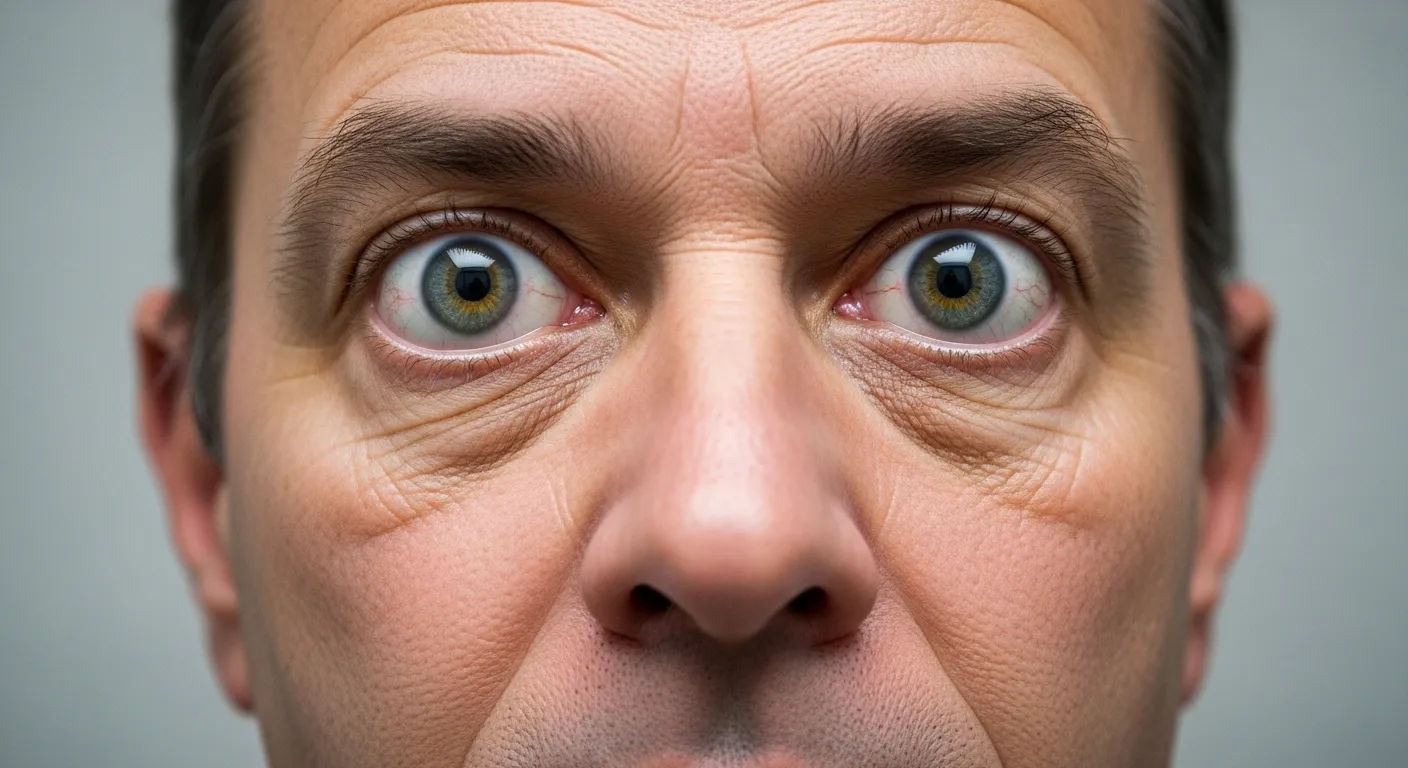
Ever looked in the mirror and thought, "Whoa, did my eyeballs just decide to take a vacation outside my skull?" Yeah, we've all had those moments of panic. But when your eyes actually start protruding like they're trying to escape, that's when you know somethin's seriously off. The most common culprit behind eye bulging disease is Graves' disease—a sneaky autoimmune disorder that targets your thyroid like it's got a personal vendetta. This condition, also known as thyroid eye disease or Graves' orbitopathy, makes your immune system attack the tissues around your eyes, causing them to swell and push forward. It's like your eye sockets decided to throw a party and invited way too many guests. Other conditions that can cause eye bulging disease include orbital tumors, infections, or even certain cancers, but Graves' disease takes the cake for being the usual suspect in most cases.
What Are the Early Signs of Thyroid Eye Disease? Don't Ignore These Red Flags
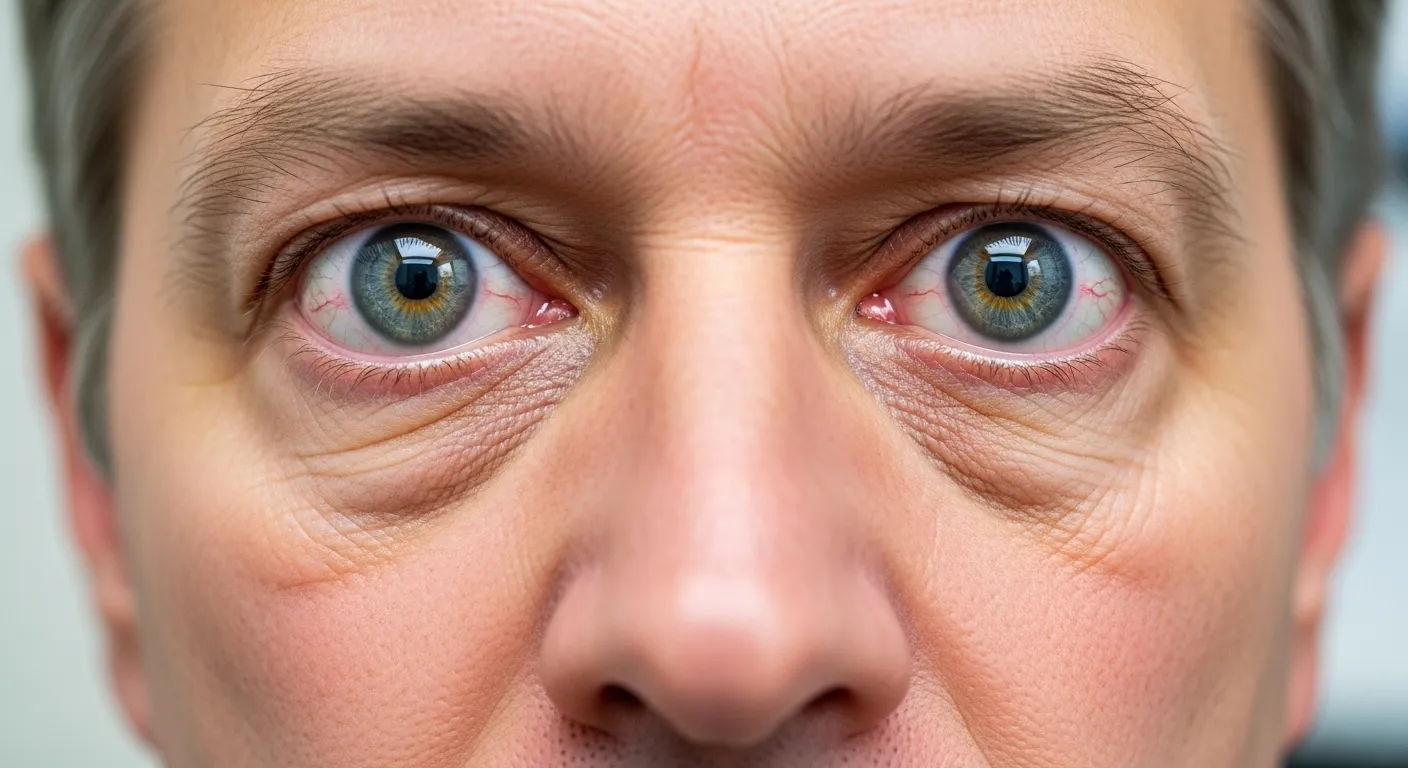
Listen up, folks—catchin' eye bulging disease early is like spotin' a storm cloud before the tornado hits. The early signs are subtle, like a whisper before the shout. You might notice your eyes feel drier than a desert in July, or you're blinkin' more than a nervous tic. Some folks report a gritty sensation, like someone sprinkled sand in their peepers. Then there's the puffiness—your eyelids might look like you pulled an all-nighter even when you've been sleepin' like a baby. Double vision? That's another big one. And if you're seein' more white above your iris than usual, that's your body's way of wavin' a giant red flag. These early symptoms of eye bulging disease might seem minor, but they're your body's SOS signal. Don't brush 'em off like yesterday's news!
What Is the Syndrome with Bulging Eyes? Meet Graves' Orbitopathy
Alright, let's get down to brass tacks. The syndrome most folks associate with eye bulging disease goes by a few fancy names: Graves' orbitopathy, thyroid-associated orbitopathy, or thyroid eye disease (TED). This ain't just some random condition—it's a full-blown autoimmune attack on the tissues surrounding your eyes. When your immune system goes rogue (thanks, Graves' disease!), it starts producin' antibodies that target your thyroid gland AND the fatty tissues behind your eyeballs. The result? Inflammation, swelling, and that telltale bulging effect. It's like your eye sockets are fillin' up with invisible balloons. According to medical stats, about 1 in 200 people develop Graves' disease, and roughly 25-50% of those cases progress to full-blown eye bulging disease. Talk about rollin' the dice with your health!
Why Would Someone's Eyes Start to Bulge? The Science Behind the Swelling
So you're sittin' there wonderin', "What in tarnation is pushin' my eyeballs forward like they're tryin' to escape?" Well, let us break it down for ya. In eye bulging disease, particularly Graves' orbitopathy, your immune system produces these troublemaker antibodies called TSH receptor antibodies. These little devils don't just attack your thyroid—they also target the fibroblasts in your orbital tissues. When these cells get activated, they start churnin' out glycosaminoglycans (say that five times fast!), which are like sponges that soak up water and cause massive swelling. The muscles around your eyes get all puffy and inflamed, takin' up more space than they should in your already cramped eye sockets. It's basically a real estate crisis behind your eyeballs, and your peepers are gettin' evicted forward. Not exactly the vacation they were hopin' for!
The Stages of Eye Bulging Disease: From Mild to Severe Progression
Here's the deal with eye bulging disease—it don't just hit you like a freight train overnight. Nah, this condition likes to play the long game, creepin' up on you like a cat burglar. Let's lay out the stages so you know what you're dealin' with:
| Stage | Symptoms | Duration | Severity |
|---|---|---|---|
| Early/Active | Dry eyes, irritation, mild swelling | 6-24 months | Mild |
| Moderate | Noticeable bulging, double vision, light sensitivity | Variable | Moderate |
| Severe | Significant protrusion, vision loss risk, corneal damage | Chronic | Severe |
| Burned-Out/Inactive | Stable but permanent changes, residual bulging | Permanent | Variable |
Most cases of eye bulging disease follow this progression, though some folks might skip stages or experience them out of order. The active phase is when inflammation is at its peak, and that's when treatment is most crucial. Once it burns out, the damage might be permanent—but don't worry, there are still options to improve appearance and function. Early detection and intervention can literally save your vision, so don't sleep on those early warning signs!
Diagnosis and Testing: How Doctors Confirm Eye Bulging Disease
Alright, so you're suspectin' you might have eye bulging disease—now what? Well, first things first, you're gonna need to see an ophthalmologist or endocrinologist who specializes in this stuff. These docs ain't just guessin'; they've got a whole toolkit of tests to confirm what's goin' on behind those peepers. They'll probably start with a clinical exam, measurin' how far your eyes protrude using this fancy gadget called an exophthalmometer (sounds like somethin' from Star Trek, right?). Then they'll check your thyroid function with blood tests—lookin' for those pesky TSH receptor antibodies we mentioned earlier. Imaging studies like CT scans or MRIs might be in the cards too, to get a good look at what's happenin' in your eye sockets. Sometimes they'll even do visual field testing to check if your peripheral vision's takin' a hit. The whole diagnostic process for eye bulging disease is like bein' a detective in your own medical mystery novel!
Treatment Options: From Medications to Surgery for Eye Bulging Disease
Don't go thinkin' you're stuck with bulgin' eyes forever—modern medicine's got your back! Treatment for eye bulging disease depends on how severe your case is and what stage you're in. For mild cases, artificial tears and lubricating ointments can help with that dry, gritty feelin'. Selenium supplements have shown promise in early stages too. When things get more serious, corticosteroids like prednisone can help reduce inflammation faster than you can say "side effects." For the real heavy hitters, there's Tepezza (teprotumumab), a fancy biologic medication that's been a game-changer for many patients with eye bulging disease. In severe cases where vision's at risk, surgery might be necessary—orbital decompression surgery creates more space in your eye sockets by removing bone or fat. Radiation therapy's another option, though it's less common these days. The key is workin' with your healthcare team to find the right combo for your specific situation.
Living with Eye Bulging Disease: Daily Management and Coping Strategies
So you've got eye bulging disease—now what? Life don't stop, and neither should you! Managing this condition day-to-day is all about smart lifestyle choices and self-care. First off, quit smokin' if you haven't already—smoking makes eye bulging disease worse faster than a grease fire in a kitchen. Wear sunglasses like they're goin' out of style, 'cause light sensitivity's a real pain. Sleep with your head elevated to reduce that morning puffiness (your neck might thank you later). Use cool compresses when your eyes feel extra swollen or irritated. And for goodness sake, stay on top of your thyroid medication if you're takin' any—consistency is key! Joinin' a support group can also be a lifesaver; talkin' to others who get what you're goin' through makes the journey feel a whole lot less lonely. Remember, you're not defined by your condition—you're just navigatin' a bumpier road than most.
Complications and When to Seek Emergency Care for Eye Bulging Disease
Now, we don't wanna scare you, but it's important to know when eye bulging disease crosses from "annoyin'" to "dangerous." Most cases are manageable, but some complications can be serious business. If you experience sudden vision loss, severe eye pain that won't quit, or double vision that comes on like a freight train, get yourself to an ER faster than you can blink. Corneal ulcers are another scary possibility—when your eyelids can't close properly over bulgin' eyes, the cornea gets exposed and vulnerable. Optic nerve compression is the big one though; if the swelling gets so bad it squeezes the nerve that connects your eye to your brain, you could lose vision permanently. Other red flags include fever with eye symptoms (could signal infection) or sudden worsening of bulging. When in doubt, always err on the side of caution—your eyesight's not somethin' to gamble with!
Where to Find More Information and Support for Eye Bulging Disease
If you're hungry for more knowledge about eye bulging disease (and let's be real, who wouldn't be after readin' this?), there are plenty of resources out there to keep you informed. Start by visitin' Dr Jay Stone for more health insights and articles. For a deeper dive into various health conditions, check out our Health category where we cover everything from common ailments to rare disorders. And if you're dealin' with multiple symptoms at once, you might find our piece on Diarrhea and Burping Sulfur Gas Combo surprisingly relevant—sometimes our bodies like to throw us curveballs from multiple angles!
Frequently Asked Questions
What illness causes your eyes to bulge?
The most common illness that causes eye bulging is Graves' disease, an autoimmune disorder that affects the thyroid gland. This condition, known as Graves' orbitopathy or thyroid eye disease, causes inflammation and swelling of the tissues behind the eyes, leading to protrusion. Other potential causes of eye bulging disease include orbital tumors, infections, vascular abnormalities, or certain cancers, but Graves' disease accounts for the majority of cases.
What are the early signs of thyroid eye disease?
Early signs of thyroid eye disease include dry, irritated eyes, increased blinking, eyelid swelling or puffiness, sensitivity to light, and a gritty sensation in the eyes. Some people notice more visible white above the iris, mild double vision, or difficulty closing their eyes completely. These symptoms of eye bulging disease may seem minor at first but can progress if left untreated, so early medical evaluation is crucial.
What is the syndrome with bulging eyes?
The syndrome most commonly associated with bulging eyes is Graves' orbitopathy, also known as thyroid eye disease or thyroid-associated orbitopathy. This autoimmune condition occurs when the immune system attacks tissues around the eyes, causing inflammation, swelling, and forward displacement of the eyeballs. Graves' orbitopathy affects approximately 25-50% of people with Graves' disease and is the primary syndrome responsible for eye bulging disease in clinical practice.
Why would someone's eyes start to bulge?
Someone's eyes might start to bulge due to Graves' orbitopathy, where autoimmune antibodies cause inflammation and swelling of orbital tissues. This creates pressure that pushes the eyeballs forward. Other causes include orbital tumors that occupy space behind the eyes, infections causing tissue swelling, vascular abnormalities like carotid-cavernous fistulas, or congenital conditions affecting eye socket development. In all cases of eye bulging disease, the underlying mechanism involves increased volume within the confined space of the eye socket.
References
- https://www.thyroid.org/graves-disease/
- https://www.aao.org/eye-health/diseases/thyroid-eye-disease
- https://www.endocrineweb.com/conditions/graves-disease/thyroid-eye-disease-graves-orbitopathy
- https://rarediseases.org/rare-diseases/graves-orbitopathy/